How to Create an AI Twin: Likeness Is Only the Beginning
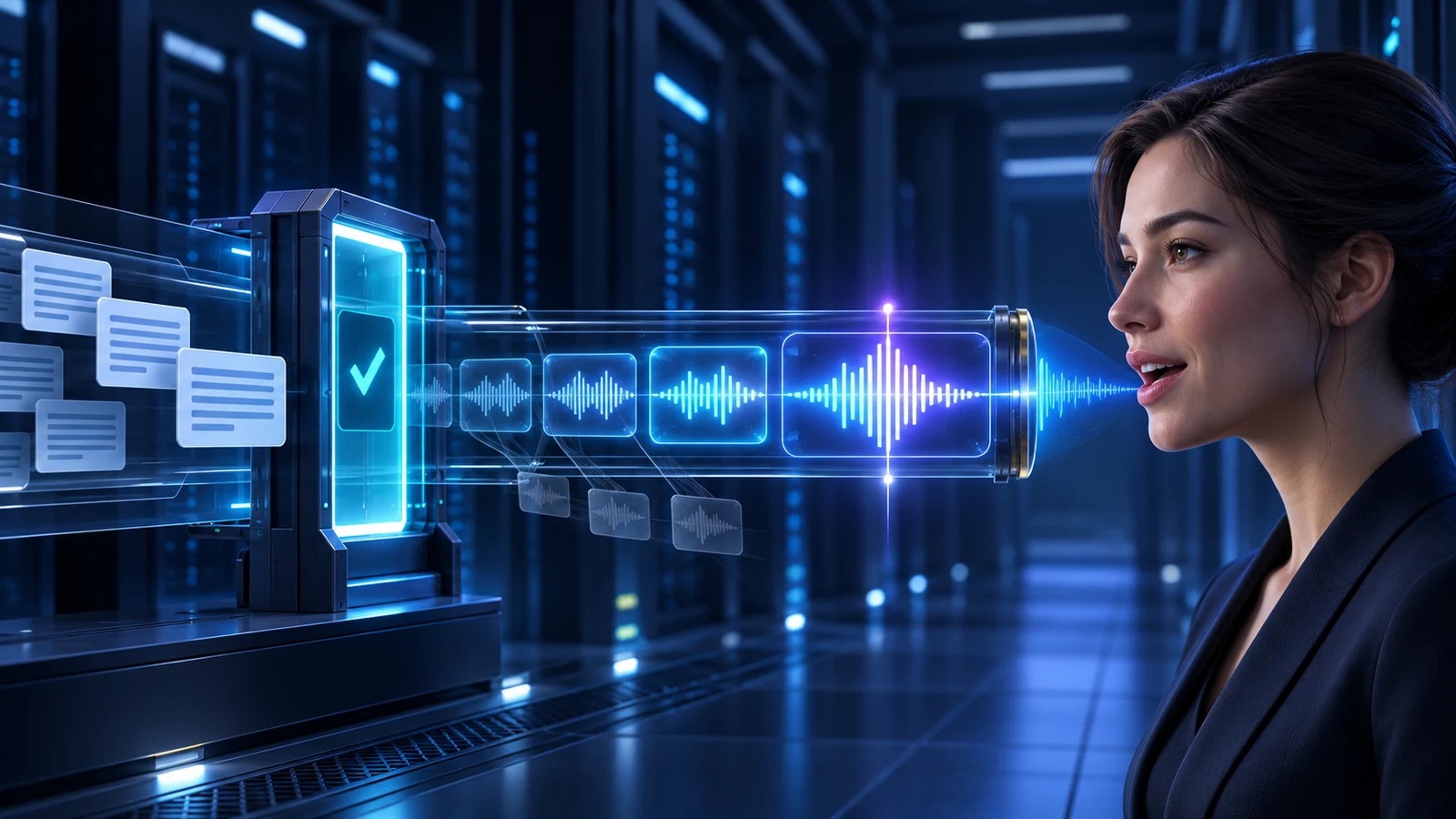
An AI twin is not convincing because it looks like somebody. It becomes useful when appearance, voice, behaviour and purpose work together. A perfect face with a generic personality is still a poor digital representation. The real design challenge is deciding what the twin should do, what it may say and how the audience should understand it.
Yepic has built AI twins and live personas for creators, presenters and public figures, from a one-week stage build at LEAP to a smartphone capture completed two days before MADFest.
What is an AI twin?
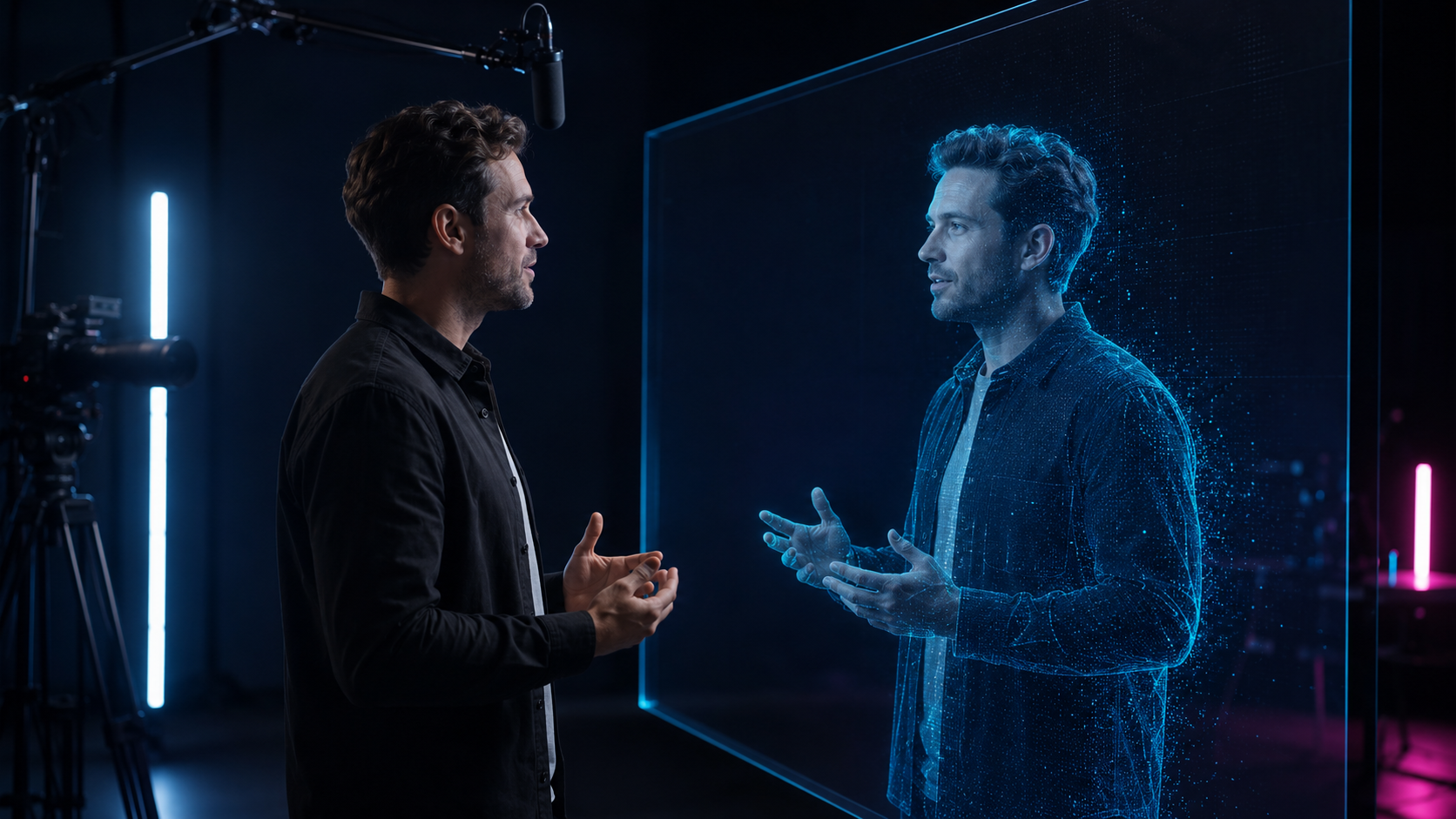
An AI twin is a digital representation of a real person that can reproduce some combination of their appearance, voice, knowledge and conversational style. Unlike a pre-recorded avatar video, a real-time twin can respond to new questions and take part in a live exchange.
The term “clone” is often used for attention, but it can be misleading. The system is not the person and should not be presented as an independent continuation of their identity. It is a governed interface built from selected material and instructions.
The four layers of a useful AI twin
1. Visual identity
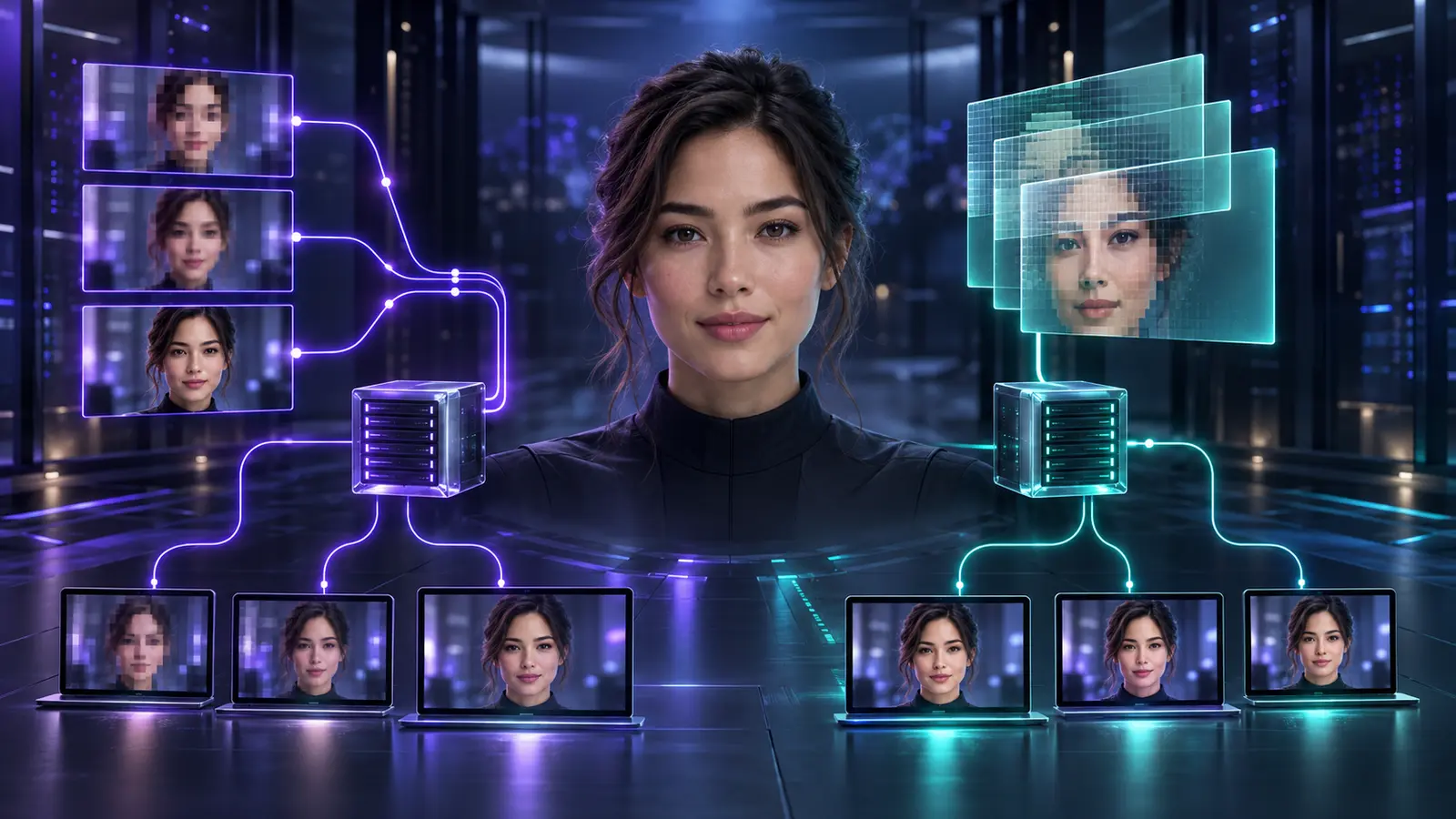
Source footage or images are used to create the digital likeness. Capture quality affects the range of expressions, head movement and stability available to the final model.
2. Voice
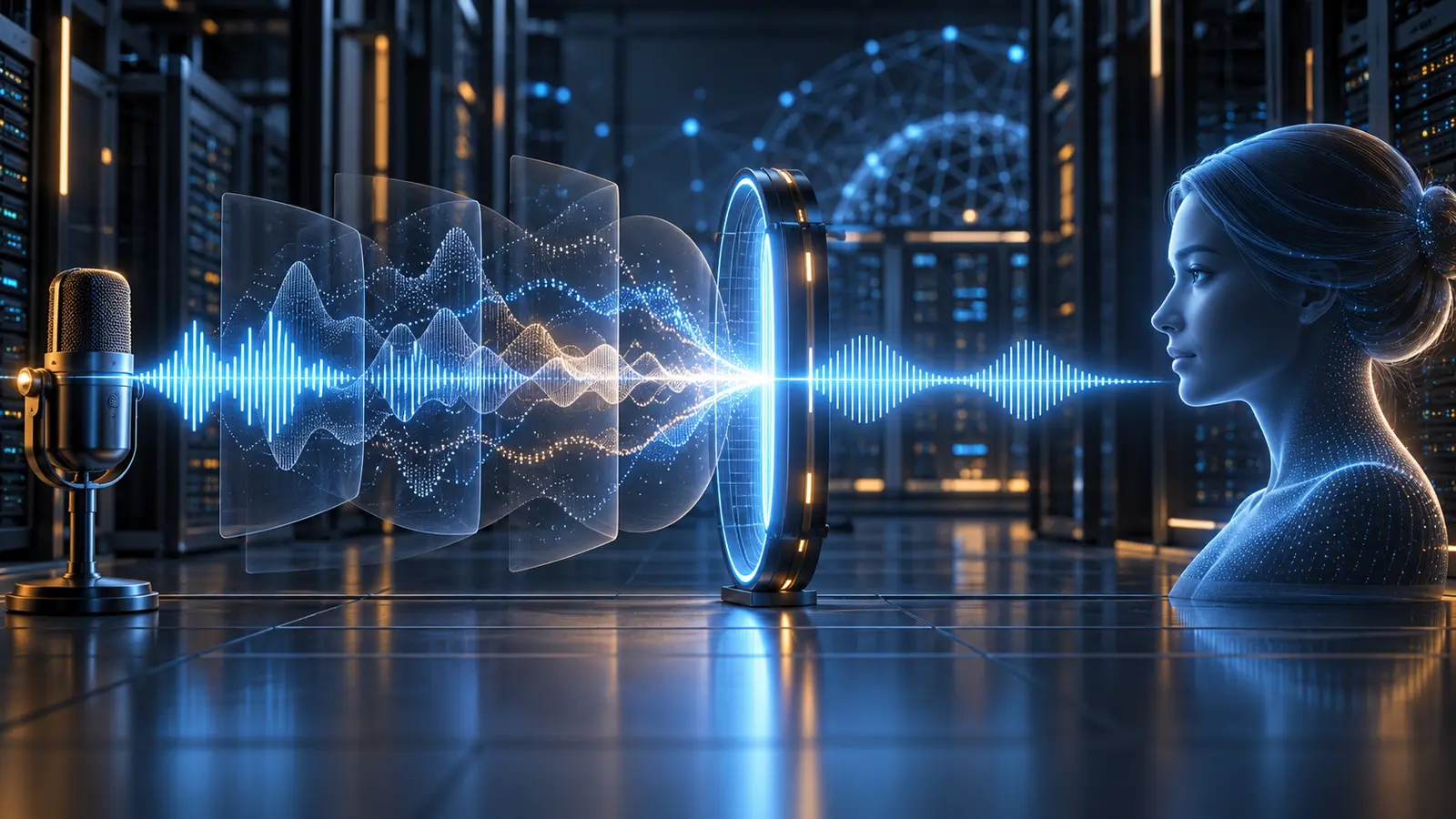
A cloned or matched voice helps recognition, but pronunciation, latency, emotion and multilingual behaviour all need testing. Voice rights must be explicit.
3. Persona
The persona layer defines vocabulary, humour, attitudes, boundaries and conversational behaviour. It should be grounded in approved material rather than vaguely instructed to “sound like” a person.
4. Role
The twin needs a job: interviewer, expert, host, coach, guide or brand ambassador. Purpose turns technical resemblance into a product or experience.
Kwebbelkop: an AI twin built in one week
At LEAP and DeepFest in Riyadh, Yepic had seven days to create a real-time AI twin of creator Jordi van den Bussche, known as Kwebbelkop, and deploy it on a major conference stage.
The build combined:
- a high-resolution likeness animated through Yepic’s real-time facial engine;
- a low-latency cloned voice preserving recognisable tone and cadence;
- movement and speaking rhythms informed by Jordi’s appearances;
- an LLM persona built around his public character;
- a defined stage role as interviewer.
On stage, the AI twin interviewed the real Jordi. The experience made the category immediately legible: a digital person could have a recognisable identity and participate in an unscripted exchange. Watch the Kwebbelkop AI twin.
Rory Sutherland: smartphone footage to live persona in two days
For MADFest, Rory Sutherland’s source performance was filmed on a smartphone two days before the activation. The lightweight capture is important because it shows that a compelling persona does not always require a large studio process.
Yepic built a recognisable visual and vocal likeness, but the central creative task was behavioural. Rory’s audience value comes from wit, contrarian thinking and the ability to challenge the premise of a question. The persona was therefore designed for humour, disagreement and follow-up conversation.
The result became part keynote, part interview and part entertainment. See Rory Sutherland as a live AI persona.
London Tech Week: two personalities, two audience roles
At London Tech Week, Yepic captured and built live personas of Oli Barrett and Susannah Streeter. Each required visual preparation, delivery cues and a distinct role rather than one generic prompt with a different face.
The personas used knowledge drawn from content across six stages and gave personalised recommendations about what attendees should see next. The project showed how a twin can extend a presenter’s usefulness across a large event without pretending to replace the real person. Explore the London Tech Week personas.
How to design the persona
- Define the source material. Decide which talks, articles, interviews and private documents may inform behaviour.
- Separate knowledge from opinion. The system should know when it is providing a fact, reflecting a documented view or generating a new response.
- Write conversational principles. Specify how it opens, challenges, jokes, redirects and ends.
- Set prohibited uses. Agree subjects, claims and contexts the twin may not enter.
- Design uncertainty. A credible twin should admit when it cannot represent the real person’s view.
- Create an escalation path. Sensitive or consequential questions should move to a human.
Consent is not a checkbox
Permission should cover appearance, voice, source material, permitted roles, territories, duration and the right to withdraw. A person may approve a digital host for one event without approving advertising, political messaging or permanent public access.
The audience should also be told that the twin is AI. Disclosure does not make the experience less impressive. It establishes the terms on which the audience can enjoy and test it.
Where AI twins can create value
- experts answering frequently asked questions;
- founders welcoming or onboarding customers;
- presenters helping audiences navigate events;
- trainers providing practice and feedback;
- creators extending a character into an interactive format;
- brand ambassadors speaking across languages;
- museum and cultural figures explored through clearly disclosed interpretation.
Where they should not be used
Do not use an AI twin to manufacture endorsement, conceal the absence of consent or make consequential decisions appear personally approved. Avoid emotionally sensitive situations where the audience may reasonably believe it is speaking with the real person.
An AI twin production checklist
- Define the role and audience promise.
- Agree rights, disclosure and prohibited contexts.
- Capture visual performance and voice.
- Build the knowledge and persona sources.
- Test interruptions, difficult questions and uncertainty.
- Review with the represented person.
- Rehearse the real device, network and venue.
- Monitor the live experience and retain a kill switch.
The identity is the interface
The best AI twin is not the one most likely to fool somebody. It is the one that makes a valuable interaction possible while remaining honest about what it is.
Yepic’s projects with Kwebbelkop, Rory Sutherland, Oli Barrett and Susannah Streeter show the range from rapid creator twin to governed event co-host. Read the AI avatars for events guide.